
Empower Your Health Journey
What is Myofunctional Therapy and why is it important?
Imagine all the tiny, often overlooked muscles in your face, tongue, and throat — the ones that help you breathe, chew, swallow, speak, and even rest your mouth when you're not doing anything at all. Myofunctional therapy is a type of physical therapy that gently retrains these muscles to function in a more natural, healthy, and efficient way.
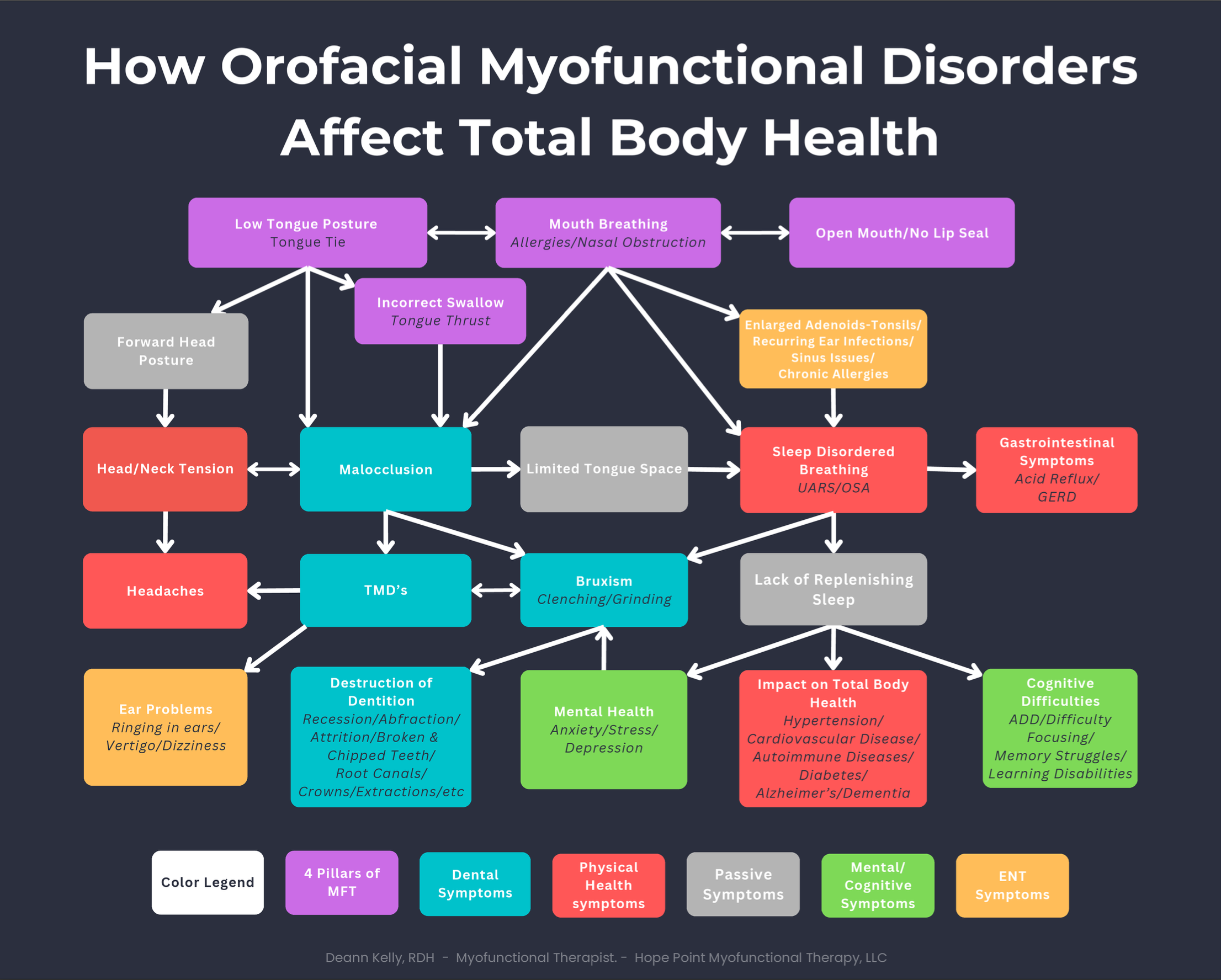
The muscles of the mouth and face don’t just help you smile or chew — they influence how you breathe, how your jaw grows, and even how well you sleep. When these muscles are out of balance — for example, if your tongue rests low in your mouth, if you mostly breathe through your mouth, or if you have a tongue tie — it can cause a cascade of issues:
Crooked teeth
Snoring or sleep apnea
Slurred or unclear speech, especially “R” and “L” sound
TMJ/jaw pain
Difficulty swallowing
Long-term postural issues/Head and Neck Pain
Relapse after orthodontic treatment
Clenching/Grinding
Mouth Breathing
Bedwetting
Difficulty concentrating
Gastrointestinal issues
Even small, seemingly harmless habits — like thumb sucking, lip licking, nail biting, or resting with your mouth open — can shift how your face and jaw develop, especially in children.
What are the four goals of Myofunctional Therapy?
1. Establish Correct Tongue Posture
The tongue should rest gently against the roof of the mouth (palate) when not speaking or eating/drinking. Training the tongue to stay in this position naturally will support proper jaw growth, breathing, and even facial development.
2. Promote Nasal Breathing
Breathing should occur through the nose, not the mouth, both during the day and during sleep. Encouraging full-time nasal breathing to support better oxygenation, improve sleep quality, reduce inflammation, and help proper facial growth in children.
3. Normalize Swallowing Patterns
Many people (especially children) push their tongue forward against the teeth when they swallow — called a tongue thrust. Developing a proper swallowing technique where the tongue moves upward and backward, not forward — protecting teeth alignment and jaw balance.
4. Achieve Lip Seal at Rest
Lips should stay gently closed when you’re not eating, talking, or smiling. Building muscle tone and awareness so that lips remain sealed at rest — promoting nasal breathing and preventing dental/facial changes.
Together, these goals support overall oral function, proper facial development, and improved health outcomes — from clearer speech to better sleep.
FAQs
-
1. Improved Focus, Behavior, and Brain Function (Especially in Children)
Better oxygenation through nasal breathing → improved concentration and brain performance.
Supports frontal lobe development, which is critical for attention, emotional regulation, and executive functioning.
Reduces symptoms of ADHD-like behaviors and daytime fatigue caused by poor sleep.
2. Reduces or Eliminates Sleep Apnea and Snoring
Trains the tongue and oral muscles to stay in a position that keeps the airway open during sleep.
Improves muscle tone in the throat to prevent airway collapse (a cause of obstructive sleep apnea, or OSA).
Reduces mouth breathing, which dries the airway and worsens apnea/snoring.
May reduce the need for CPAP or complement its effectiveness.
3. Promotes Nasal Breathing Over Mouth Breathing
Nasal breathing filters, humidifies, and warms air, improving respiratory health.
Mouth breathing is linked to dry mouth, bad breath, gum disease, fatigue, and poor facial growth in children.
Encourages better oxygen exchange and nitric oxide production.
4. Improves Oral and Facial Development in Children
Guides jaw, palate, and facial structure to develop properly.
Helps prevent or reduce the need for orthodontic treatment (braces, palate expanders).
Reduces dental crowding, narrow palate, or misaligned bite by encouraging proper tongue posture.
5. Improves Speech and Swallowing Patterns
Helps resolve tongue thrust, improper swallowing, and lisping.
Strengthens oral muscles used in articulation and clarity.
Supports speech therapy, especially in cases of tongue-tie or delayed speech.
6. Supports Tongue-Tie (Ankyloglossia) Recovery
Post-surgical therapy helps retrain the tongue to move freely and correctly.
Prevents reattachment or poor compensation after a frenectomy.
7. Improves Breastfeeding and Feeding in Infants
Encourages proper latch, suck, and swallow coordination.
Helps with colic, reflux, poor weight gain, and gas from air swallowing.
Supports early facial development and reduces the risk of later speech or airway problems.
8. Assists in Habit Elimination
Helps stop thumb sucking, nail biting, lip licking, and tongue thrusting.
These habits can affect jaw alignment, bite, and facial growth if untreated.
9. Enhances CPAP and Orthodontic Treatment Outcomes
Improves CPAP compliance by strengthening airway muscles and reducing discomfort.
Helps maintain orthodontic results by stabilizing oral posture and preventing relapse.
Complements palate expansion or jaw surgery.
-
In Toddlers and Children:
3. Speech and Articulation Issues
Difficulty with certain sounds (e.g., "L", "R", "T", "D", "N", "S", "Z", "th")
Mumbling or unclear speech
Speech delay or frustration during communication
4. Swallowing and Eating Problems
Tongue thrust or immature swallow pattern
Choking, gagging, or difficulty moving food in the mouth
Picky eating, food aversions, or oral defensiveness
5. Mouth Breathing and Poor Oral Habits
Inability to keep tongue on the palate → poor airway support
Mouth breathing, snoring, or sleep-disordered breathing
Thumb sucking, drooling, and tongue protrusion
6. Facial and Jaw Development Issues
Improper tongue posture = narrow palate, recessed jaw, dental crowding
Can lead to orthodontic problems and need for braces or palate expanders
May increase risk of obstructive sleep apnea (OSA)
Developmental Risks (Especially with Untreated Cases):
Impaired frontal lobe development due to chronic mouth breathing and poor sleep
Reduced focus, memory, and attention span
Behavioral issues, often mistaken for ADHD
Poor self-esteem or frustration in social/school settings due to unclear speech
In Adults:
Sleep apnea or snoring due to tongue position issues
Neck and jaw pain (compensating muscle tension)
Difficulty with kissing, oral hygiene, or playing wind instruments
Ongoing speech clarity issues or embarrassment in communication
Chronic tightness in neck, shoulders, or floor of mouth
-
Untreated sleep apnea = chronic stress + oxygen deprivation + sleep fragmentation, which over time damages almost every system in the body—especially the heart, brain, and metabolism.
-
Yes!!
In Children:
Feeding difficulties like gagging, slow eating, or pickiness
Avoidance of certain food textures
Nutritional deficiencies from limited food intake
Long-term gut health issues due to poor chewing and swallowing coordination
In Adults:
Recurrent acid reflux or IBS-like symptoms
Eating fatigue or discomfort
Compensatory habits like drinking liquids to "force down" food
May avoid social eating due to embarrassment or discomfort
-
1. Reduced Oxygen Intake
Mouth breathing skips nasal filtration and nitric oxide production.
Leads to less efficient oxygen delivery to the brain and body.
Can cause fatigue, brain fog, and poor concentration.
2. Cognitive and Behavioral Issues (Especially in Children)
Chronic low oxygen levels affect frontal lobe function: attention, focus, memory.
Linked to ADHD-like symptoms, irritability, and poor school performance.
Can impair brain development if left untreated during childhood.
3. Poor Sleep Quality and Sleep Apnea
Mouth breathing increases the risk of snoring and obstructive sleep apnea (OSA).
Leads to fragmented sleep and poor REM cycles.
Results in daytime sleepiness, mood swings, and reduced immune function.
4. Dental and Oral Health Problems
Dry mouth from mouth breathing reduces saliva, which normally protects teeth.
Increases risk of:
Cavities
Gum disease
Bad breath
Can cause open mouth posture and improper tongue resting position, leading to:
Crooked teeth
Overbite, underbite, or open bite
Need for orthodontics
5. Facial and Jaw Development Issues in Kids
Mouth breathing changes tongue posture (tongue rests low instead of on the palate).
This leads to:
Narrow palate
Recessed chin
Elongated face
"Adenoid face" appearance (long face, dark eye circles, open mouth)
Can cause lifelong aesthetic and functional problems if not corrected early.
6. More Illness and Allergies
The nose filters out viruses, bacteria, and allergens; the mouth doesn’t.
Mouth breathers are more prone to:
Colds, sore throats, and sinus infections
Asthma and respiratory irritation
Enlarged tonsils/adenoids, worsening the cycle
7. Digestive Disruption
Mouth breathing often causes air swallowing (aerophagia) during eating.
Can lead to:
Bloating
Burping
Reflux (GERD)
Slower digestion
8. Speech and Swallowing Difficulties
Leads to improper tongue posture → tongue thrust or slurred speech
Can cause difficulty swallowing and messy eating habits in kids
The Mouth Breathing Cycle
Mouth breathing → Poor tongue posture → Narrow palate & recessed jaw → Smaller airway → Sleep apnea → More mouth breathing
-
“Myofunctional therapy is beneficial at any age because it addresses the root causes of breathing, swallowing, and oral posture issues that can impact sleep, speech, facial development, and overall health—whether you're a child, teen, or adult. It’s never too early or too late to improve how the body functions.”
-
Nitric oxide (NO) is a crucial molecule for health, especially for circulation, immunity, and respiration. Here's why it's beneficial and how breathing affects it:
Why Nitric Oxide Is Good for You
1. Vasodilation (Improves Blood Flow)
Relaxes blood vessels, lowering blood pressure and increasing oxygen delivery.
Boosts cardiovascular performance and exercise capacity.
2. Antimicrobial & Immune Defense
Acts as a natural antimicrobial, killing bacteria and viruses in the airways.
Plays a role in immune regulation.
3. Lung Function & Oxygen Exchange
Helps regulate breathing and improve oxygen uptake in the lungs.
Can reduce airway resistance and help people with respiratory issues like asthma.
4. Neurotransmission & Brain Health
Acts as a signaling molecule in the brain, supporting memory and learning.
How Breathing Affects Nitric Oxide
Your nasal passages naturally produce nitric oxide. Here’s how to optimize it through breathing:
Nasal Breathing = More Nitric Oxide
Breathing through the nose allows NO from the sinuses to enter the lungs.
NO enhances oxygen absorption and dilates the airways.
Mouth breathing bypasses this mechanism, so less NO is delivered to the lungs.
Slow, Deep Breathing
Slow and deep breathing stimulates parasympathetic activity and can increase NO levels.
Techniques like Buteyko breathing, box breathing, or pranayama.
Breath Holding / Light CO₂ Tolerance Training
Brief breath holds after exhale may increase NO production due to slight CO₂ buildup.
This triggers the body to retain and recycle nitric oxide longer.
Scope of Treatment
-
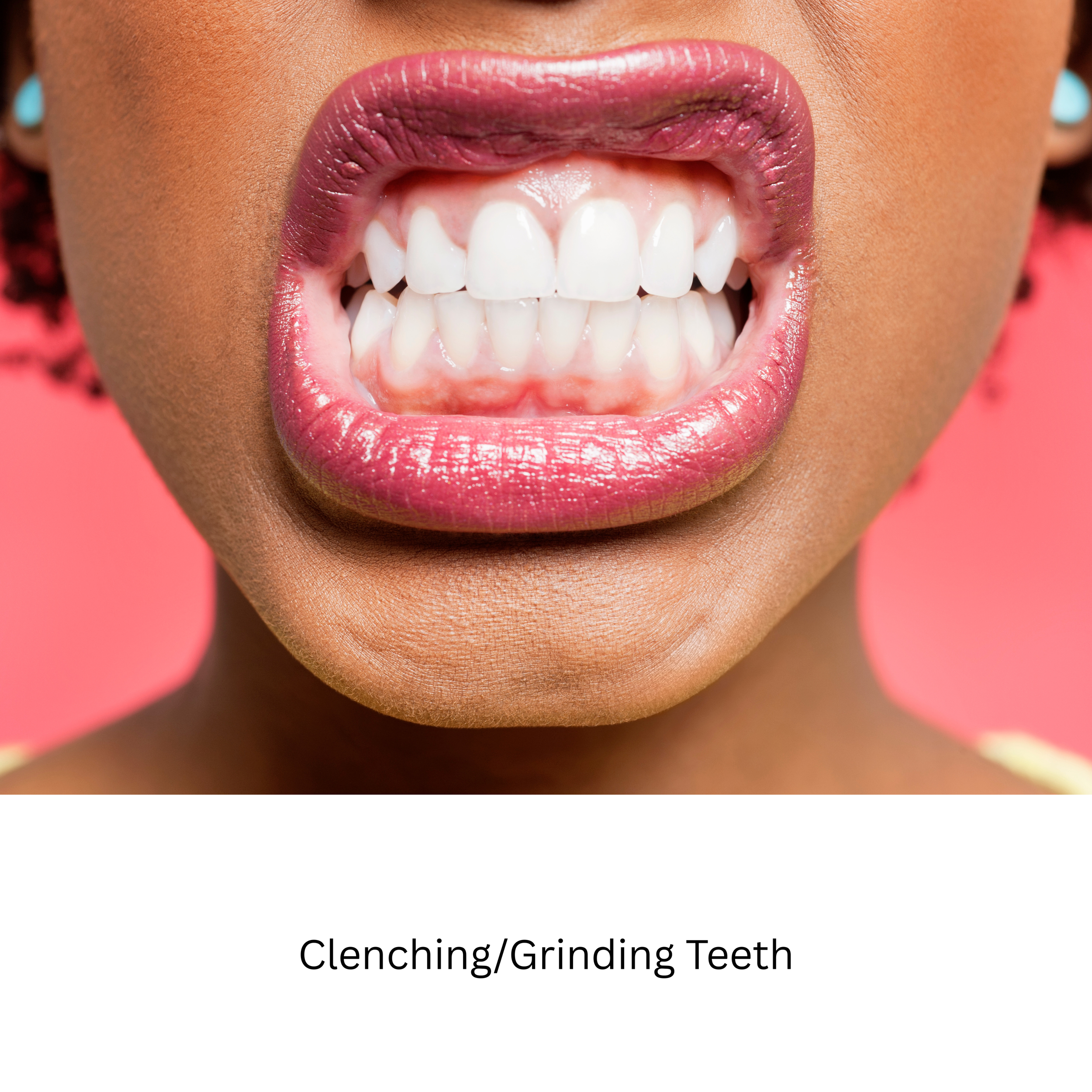
Clenching/Grinding
-

Mouth Breathing
-

Tongue Ties
-

Orthodontic Support
-

Oral Habit Elimination
-

TMJ & Head/Neck Pain
-

Sleep Disorder Breathing/Snoring
-

Gagging/Food Aversion/Trouble Swallowing Pills
Contact Us
Have questions or would like to set up your comprehensive consultation?